YEAR
2018
CITY
ST. PETERSBURG
SERVICE
PUBLIC SPACES & SHOW

THE BRIEF
The SIBUR–Wilson Multimedia Drone Show was conceived as a large-scale immersive launch event dedicated to the opening of the national basketball season and collaboration between SIBUR and Wilson for the development of a new basketball produced using recycled polymer materials.
Presented as part of a major sports event in Saint Petersburg, the project needed to communicate technological innovation and brand identity through a format that moved beyond conventional stage presentation. Rather than functioning as a standard corporate launch, the show was designed as a fully synchronised spatial performance where drones, light, multimedia systems, sound, and choreography operated as one real-time storytelling environment.
Pitch was commissioned to develop the creative concept, narrative structure, multimedia dramaturgy, audiovisual content, and immersive choreography for the event.
MY ROLE
I acted as Concept Author, Creative Director, and Creative Producer, leading the project from initial idea through live execution.
My role focused on developing the narrative concept and translating it into a coherent spatial and audiovisual language combining drone choreography, live performance, multimedia systems, and arena-scale show direction.
I directed the development of audiovisual content and the choreographic logic of the drone performance, ensuring synchronisation between storytelling, media systems, robotics, sound, and audience experience. I also supervised collaboration between creative, engineering, and production teams during the implementation of the record-setting indoor drone system.
The project required close integration between technical precision and experiential dramaturgy, ensuring that the technological complexity of the system remained emotionally legible to audiences inside a live arena environment.
THE CHALLENGE
Indoor drone performances are fundamentally different from outdoor aerial shows. Inside an arena environment, drones operate within tightly constrained spatial conditions surrounded by lighting rigs, media systems, stage infrastructure, performers, and live audiences. The challenge was therefore not simply visual, but technological and choreographic: how do you transform autonomous robotic systems into a coherent live storytelling medium operating safely and precisely in real time?
The project also needed to bridge several different symbolic territories simultaneously: professional sports culture, environmental responsibility, technological innovation, and public spectacle.
Rather than using drones as decorative effects, the show required a narrative framework where robotics became an active storytelling system synchronised with sound, stage action, media content, and audience perception.
Another major challenge was engineering precision. The performance relied on a custom-built indoor drone system with high-accuracy tracking capable of executing synchronised programmed trajectories in a live arena environment. This pushed the technological limitations of real-time indoor drone choreography at the time of production.
Finally, sustainability communication often struggles with abstraction. Recycling technologies, polymer production, and industrial material transformation are difficult subjects to translate into emotionally engaging public experience. The challenge was therefore not simply promotional, but interpretive: how do you transform industrial sustainability processes into a memorable cultural and spatial narrative understandable to broad audiences? The experience needed to create an emotional connection between material transformation and collective urban experience.



THE APPROACH
The conceptual move was to treat drones not as flying objects or visual effects, but as spatial media actors operating inside a unified live environment.
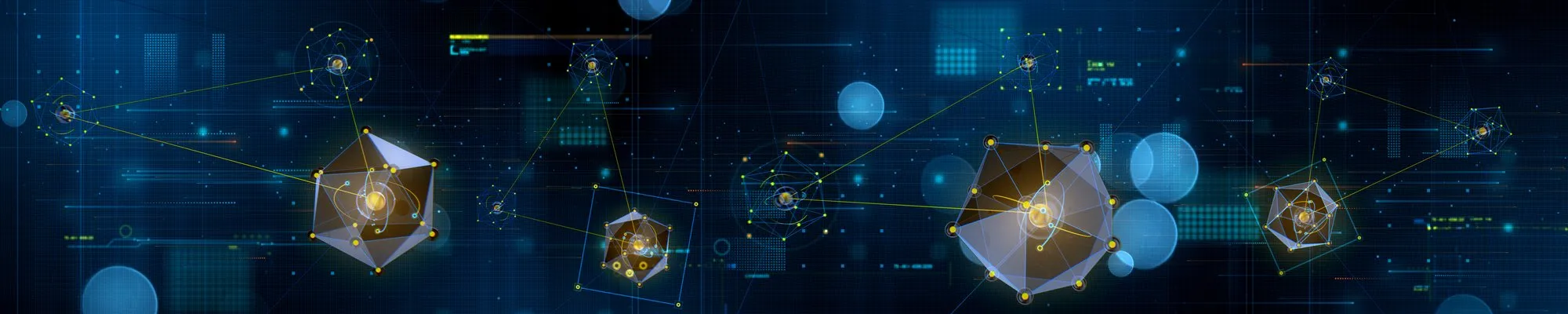
Rather than functioning as an isolated technological layer, the drone system became part of an integrated choreography combining light, sound, media content, stage action, architecture, and audience perception into one continuous spatial narrative. Drone formations evolved dynamically throughout the performance, interacting with audiovisual environments and live dramaturgy to create constantly shifting compositions across physical, aerial, and public space.
The narrative architecture was built around synchronisation, transformation, and collective movement. Rather than positioning the central object or product as the focus of attention, the project explored processes of reconfiguration — the transformation of material, energy, and urban space into a new cultural and emotional experience through technology, rhythm, and participation.
The drones functioned not simply as spectacle, but as narrative infrastructure shaping perception, scale, rhythm, and symbolic transformation throughout the experience. Geometric formations, coordinated movement sequences, and light behaviour translated abstract technological and environmental ideas into emotionally legible spatial language.
A major emphasis was placed on precision and temporal coherence. Drone movement, sound design, media playback, lighting systems, and performer interaction were synchronised frame-by-frame to maintain continuity between technological systems and human perception. Rather than treating robotics, media, and live action as separate entertainment layers, the project merged them into a single performative language operating simultaneously across sky, architecture, and audience space.
The result was a new format of immersive multimedia performance in which drones stopped functioning as effects and became active participants in the dramaturgy itself — transforming public space into a responsive narrative environment driven by movement, synchronisation, and collective experience.
THE RESULT
The SIBUR–Wilson Multimedia Drone Show established a new format of indoor immersive performance combining robotics, live choreography, audiovisual storytelling, and real-time media systems.
Presented before an audience of more than 6,000 spectators, the project demonstrated how autonomous aerial systems can operate not simply as technical attractions, but as narrative infrastructure integrated into live experiential storytelling.
The performance became a national double record-setting indoor drone show and demonstrated the potential of synchronised robotic systems as a new medium for large-scale public spectacle. More importantly, the project helped expand the language of immersive performance itself — positioning drones, media systems, and live choreography as parts of one unified spatial experience rather than separate technological effects.